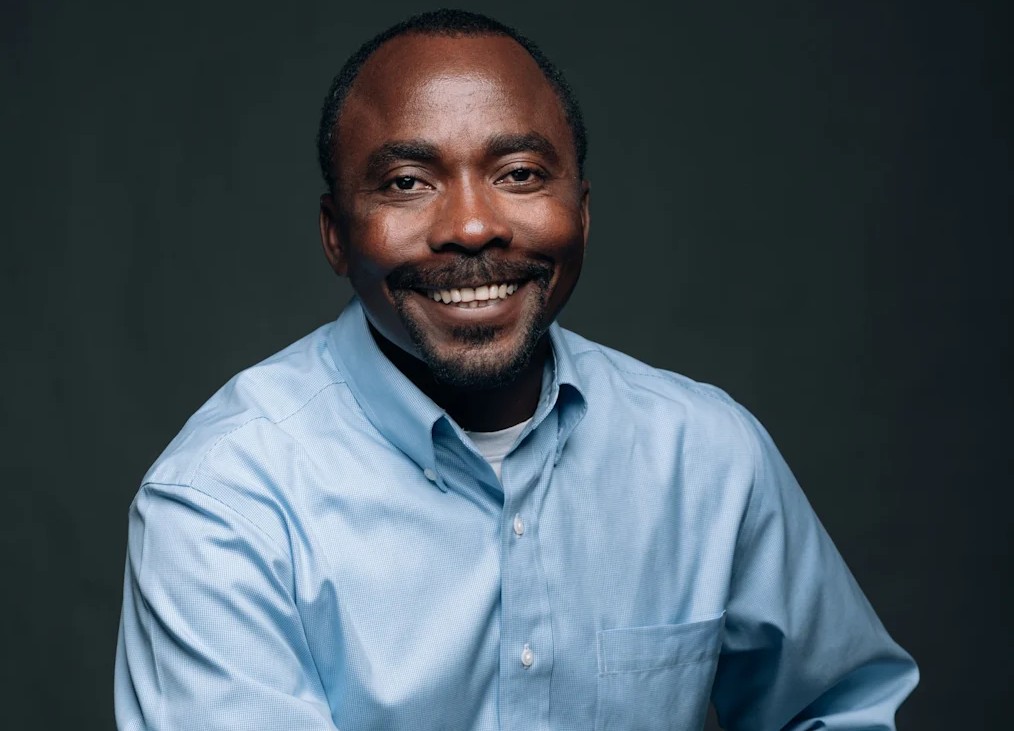
Effective June 30 2026, Inua Advocacy, an independent civil society organisation that has championed the rights and dignity of refugees and asylum seekers in Malawi, will close its Lilongwe office, marking the end of a vital support system for thousands of vulnerable people. For years, the organisation has provided legal aid, protection, advocacy and emergency support to refugees across Malawi. In this interview, our News Analyst, LUCKY MKANDAWIRE, speaks with the organisation’s founder and chief executive officer, INNOCENT MAGAMBI, to unpack the reasons behind the decision, its implications and the future of refugee rights advocacy in Malawi. Excerpts:
What circumstances have led to this difficult decision to close your Lilongwe office after years of serving refugees and asylum seekers in Malawi?
Inua Advocacy has been operating in Malawi for several years, but funding shortages are the main reason behind this difficult decision. Over the past few months, it has become increasingly challenging for us to secure financial support despite our efforts to sustain operations. Rather than allowing the organisation to collapse completely, we have decided to scale down operations to preserve our core work and maintain a limited presence within the refugee community. We understand that the closure has raised concerns among refugees, human rights defenders and community members who fear losing one of the few independent voices advocating for refugee protection and justice in the country.
What does this closure mean for the refugee community, particularly those outside Dzaleka Refugee Camp?
The closure will significantly reduce our ability to respond quickly to refugees in urgent need of assistance, especially those outside Dzaleka Refugee Camp. For years, many refugees have depended on us for legal guidance, protection, referrals and emergency interventions. Without a physical presence in Lilongwe, access to these services will become more difficult and slower, leaving many refugees and asylum seekers feeling abandoned during critical moments.
Which essential services will be most affected by the closure, and what risks does this create for vulnerable refugees and asylum seekers?
Our legal aid and protection work will be the most affected. This includes representing refugees in court, responding to arrests and immigration detentions, documenting human rights abuses and following up on cases reported to authorities. Our work in monitoring human trafficking and smuggling networks will also be weakened. In addition, reduced funding means fewer opportunities to engage government institutions and other key stakeholders on refugee rights and policy reform. This creates a serious protection gap for refugees who already face discrimination, exploitation and limited access to justice.
Many refugees relied on Inua Advocacy for legal representation and protection during arrests, detention and court proceedings. What are the likely consequences of losing this support?
This is perhaps the most painful part of the situation because legal representation is one of the services refugees trusted us with the most. Many of them cannot afford lawyers and often face abuse, arbitrary detention, exploitation or unlawful treatment without anyone to defend them. Over the years, we earned the community’s trust through professional and compassionate service focused entirely on protecting their rights and dignity. Losing this support means many refugees may now face arrests, detention, court proceedings and other rights violations without proper legal assistance or protection.
Beyond the funding crisis, what other challenges do refugee-led organisations face in sustaining human rights and advocacy work in Malawi?
Refugee-led organisations often face political pressure, exclusion and limited institutional support. In our case, we have struggled to operate under restrictions imposed by the Ministry of Homeland Security despite being legally registered and fully compliant with NGO regulatory requirements. Because of our work exposing corruption, gaps in refugee management, human trafficking and discrimination, we faced resistance from some authorities and stakeholders. At one point, we even lost an opportunity to implement a project funded by the American government after approval had already been granted. These challenges make it difficult for refugee-led organisations to survive, even when their work is legal, impactful and necessary.
Following the closure of your Lilongwe office, what is the future of Inua Advocacy’s mission and the broader struggle for refugee rights in Malawi?
This is not the end of Inua Advocacy. We have survived many attempts by authorities to shut us down before. We survived isolation, pressure and restrictions that discouraged people from working with or supporting us. Personally, I have survived threats and attempts on my life because of my commitment to defending refugees and exposing injustices. That experience has taught me resilience. I still believe there are people who value this work, understand the sacrifices involved and recognise the importance of evidence-based refugee advocacy in Malawi. My hope is that support will come, not only to help us survive, but also to enable us to continue building a more just and inclusive future for refugees in Malawi.